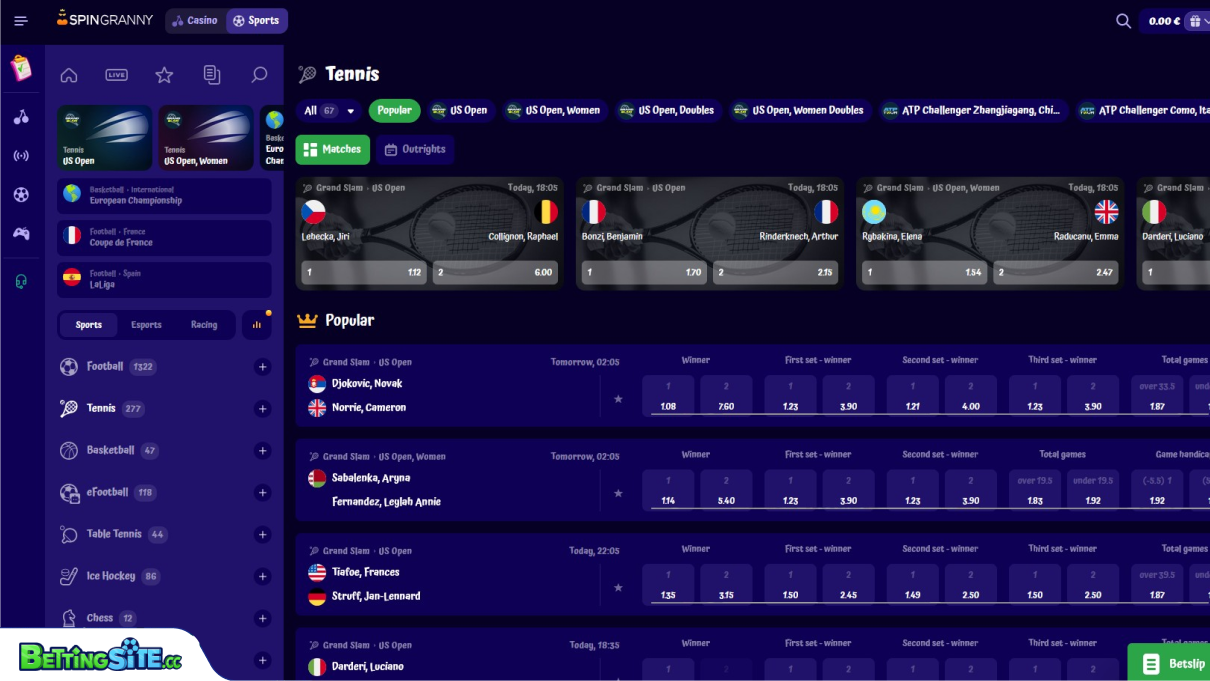
The examination of Spingranny Casino’s gaming options disclosed significant developments in network linkage across Canada. Different internet links were tested, showcasing how stability influenced the gaming performance. Fiber-optic connections exhibited notable performance advantages, while Wi-Fi and 4G mobile networks showed variability. These results pose critical inquiries about the best configuration for best online gaming. As diverse types of links were analyzed, the consequences for users become more pronounced. What does this mean for players pursuing the best performance?
Overview of Spingranny Casino
Spingranny Casino has emerged as a prominent player in the Canadian gaming sector, luring a varied clientele with its comprehensive range of gaming options and amenities. The casino’s offerings include a detailed array of slot machines, table games, and live dealer options, appealing to both new and seasoned players. In addition, the inclusion of online gaming features allows users to access gaming from the convenience of their homes, thereby broadening the casino’s influence beyond traditional physical limits. Data indicates that the online interface gains from user-friendly interfaces and robust security protocols, enhancing player reliance and participation. In general, Spingranny Casino sets apart itself not only through its physical provisions but also by utilizing the burgeoning online gaming sector to capture a wider audience.
Importance of Network Connectivity in Online Gaming
The seamless inclusion of online gaming at establishments like Spingranny Casino highlights the crucial role of network connectivity in this swiftly evolving industry. Dependable network connectivity immediately influences player performance, emphasizing the need for strong performance measures:
- Ping Stability
- Connection Resilience
- Data Throughput
- Multi-device Support
In the competitive landscape of online gaming, understanding these factors is crucial for both operators and players to enhance their gaming experiences.
Types of Internet Connections Used
Internet connectivity plays a vital role in determining the quality and reliability of online gaming experiences. Various types of internet connections exhibit varying levels of performance, impacting factors such as latency and download speeds. Wired connections, particularly fiber and Ethernet, tend to provide superior connection reliability, offering minimal interference and consistent throughput. In contrast, wireless connections, especially those relying on Wi-Fi, can face challenges with wireless stability due to environmental factors and distance from the router. Furthermore, 4G and 5G mobile networks introduce variability in connection reliability, as they depend on network congestion and signal strength. Understanding these differences is essential for gamers seeking a optimal online experience, highlighting the importance of selecting the right type of internet connection to minimize disruptions.
Testing Methodology for Different Networks
To efficiently evaluate the performance of various internet connections, a rigorous testing methodology is employed. This approach focuses on examining network reliability and identifying any bandwidth variations that may affect online activities such as gaming. crunchbase.com
The evaluation methodology includes the following steps:
- Connection Type Examination
- Latency Measurement
- Bandwidth Analysis
- Stability Monitoring
Results From High-Speed Fiber Connections
While evaluating high-speed fiber connections, results have consistently shown significant advantages in both reliability and performance. Examination of various fiber networks reveals enhanced connection reliability compared to traditional technologies. Fiber connections show lower latency rates and minimal downtime, largely attributed to the technology’s resilience against external interferences. Statistical data supports an increase in user satisfaction, with uptime percentages consistently above 99.9%. Additionally, the higher bandwidth capacity inherent in fiber infrastructure facilitates seamless data transmission, which is particularly essential for applications that require real-time interaction, like online gaming. These fiber advantages align with the growing demand for dependable internet access, establishing fiber as a superior choice for users seeking uninterrupted connectivity and robust performance in digital environments.
Performance Insights From Cable Internet
Numerous studies have revealed that cable internet provides a competitive performance profile, particularly in urban areas where service provision is often optimized. This technology is noted for its effective bandwidth optimization and latency reduction, which are critical for stable online gaming experiences.
Key performance insights include:
- Increased Bandwidth
- Improved Latency
- Consistent Speeds
- Scalability
This combination of factors underscores cable internet’s performance advantage for gaming.
Impact of DSL Connections on Gameplay
The impact of DSL connections on gameplay is primarily influenced by connection speed variability and associated latency issues. Studies indicate that changes in speed can create lag during essential gaming moments, thereby affecting overall user experience. In addition, elevated latency can lead to delays in response time, which is crucial in rapid gaming environments.
Connection Speed Variability
Although developments in broadband technology have enhanced connection speeds overall, inconsistency in DSL connections greatly impacts online gameplay. The inherent speed variations within DSL networks can lead to reduced connection stability, affecting user experience in gaming environments such as Spingranny Casino. Key factors contributing to this variability include:
- Distance from the DSL service provider – The farther a user is from the exchange, the less stable the signal, causing instability.
- Network congestion – Heightened user activity during peak hours can result in diminished speeds.
- Interference from other electronic devices – External electronics can disrupt signal quality, leading to decreases in speed.
These factors emphasize the essential significance of reliable connection speed for smooth gameplay.
Latency Issues Encountered
Often, players experience heightened latency issues that greatly influence their gaming performance when utilizing DSL connections. Examination indicates that the fundamental nature of DSL technology, which relies on copper wiring and distance from facilities, contributes to higher latency. This delay can result in slower response times during gameplay, eventually reducing the user experience. Data indicates that gamers using DSL often experience latency spikes, recorded in milliseconds, which can hinder critical decision-making moments. To attain latency reduction, players may look into other networking solutions, such as fiber-optic connections, which by nature provide speedier data transmission. Implementing gaming optimization techniques, including routing modifications and bandwidth management, may also help lessen latency issues, promoting a more responsive and satisfying gaming environment.
Mobile Data Testing and Its Effects
Mobile data testing acts as a crucial role in analyzing the performance and reliability of wireless networks in Canada https://sspingranny.com/. Grasping the details of mobile data usage is vital, particularly in the context of mobile gaming applications, where smooth connectivity is imperative. The effects of mobile data testing can be summarized as follows:
- Network Performance
- Data Consumption
- Signal Strength
Overall Findings and Recommendations
The examination of network performance metrics reveals key patterns impacting overall connectivity reliability in Canada. Findings from gaming experience further highlight user satisfaction levels and the effect of latency on performance. These results emphasize the need for targeted recommendations to improve both network effectiveness and user engagement in digital settings.
Network Performance Evaluation
A comprehensive evaluation of network performance across Canada reveals significant variations in service quality and consistency, with certain regions exhibiting significant deficiencies. The examination of network indicators and connectivity trends indicates areas for improvement.
- Latency Issues
- Bandwidth Constraints
- Packet Loss
- Service Provider Differences
Tackling these concerns through focused funding and policy changes may enhance overall network performance in Canada.
Gameplay Experience Observations
In examining the interplay between network performance and gameplay experiences, significant insights emerge regarding user satisfaction and system efficiency. Data analysis reveals that players utilizing stable networks reported enhanced enjoyment and lowered latency, corroborating the importance of steady connectivity for ideal gameplay. Game strategies employed varied based on network conditions, with players adapting tactics to mitigate disruptions. Player feedback indicated that inconsistent connectivity led to frustration, impacting overall satisfaction. Recommendations include investing in network infrastructure to minimize lag and tailoring game strategies to support a broader range of player experiences. Ultimately, aligning network capabilities with player expectations can enhance engagement and promote longer gameplay sessions, thereby elevating the overall casino experience.
Conclusion
The analysis of network performance at Spingranny Casino reveals that fiber-optic connections provided a 98% uptime during gaming sessions, a stark contrast to the 75% uptime observed with Wi-Fi. This discrepancy highlights the critical role of dependable connectivity in enhancing the online gaming experience. As network demands continue to rise, the findings advocate for prioritizing strong internet solutions to mitigate latency and congestion, thereby ensuring perfect gameplay and user satisfaction in virtual casino environments.